We are a highly professional and experienced suppliers of honeycomb machine, honeycomb core machine, honeycomb panel machine in China.
Author: Site Editor Publish Time: 2025-12-18 Origin: Site


Are you still using plastic bubble wrap for packaging? It’s time to make the switch. Honeycomb wrap is quickly becoming a popular eco-friendly alternative, offering the same protective benefits but without the environmental impact. Its unique 3D design cushions fragile items during transit, providing superior protection.
In this article, we’ll explore the dos and don’ts of using honeycomb wrap, ensuring you maximize its effectiveness while keeping your packaging sustainable and safe for your products.
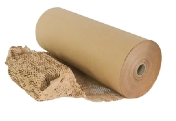
Honeycomb wrap is made from kraft paper formed into a hexagonal structure, resembling a beehive. When stretched, it forms a strong, protective layer that cushions items effectively during transport. Unlike bubble wrap, honeycomb wrap provides a more eco-friendly solution, being fully biodegradable and recyclable.
This unique design makes honeycomb wrap an effective alternative for those looking to reduce their environmental impact without compromising on protection. The paper’s flexibility allows it to conform to various shapes, while the hexagonal cells provide excellent shock absorption. This makes it a better option for a wide range of products, especially delicate items that require a high level of protection.
Honeycomb wrap also works well with various types of packaging and can be used in different industries, from e-commerce to electronics. By understanding how to stretch, layer, and use it properly, businesses can significantly reduce product damage during shipping.
The key benefits of honeycomb wrap lie in its strength, sustainability, and versatility:
● Eco-friendly: Made from kraft paper, it’s biodegradable and recyclable, making it a greener choice than plastic.
● Protection: The 3D honeycomb structure absorbs shocks, ensuring items stay safe during shipping. This provides a layer of protection that bubble wrap can't match in terms of consistency and eco-friendliness.
● Space-saving: Honeycomb wrap can be stored flat, saving space in warehouses or shipping areas. It takes up less storage space compared to bulky plastic packaging materials like bubble wrap or foam peanuts.
● Lightweight: Honeycomb wrap is lightweight, helping to reduce overall shipping weight, which can also lower shipping costs.
Benefit | Honeycomb Wrap | Bubble Wrap |
Eco-friendly | Yes | No |
Shock Absorption | Yes | Yes |
Space-saving | Yes | No |
Lightweight | Yes | No |
Businesses that prioritize sustainability can use honeycomb wrap to create eco-friendly packaging solutions that align with their green initiatives while still ensuring the safe arrival of their products.
Stretching honeycomb wrap is crucial for maximizing its protective benefits. When you pull the wrap, it forms its signature hexagonal cells, creating a cushion around the item. A common mistake is to use the wrap without stretching it enough, which results in insufficient cushioning and protection. Without adequate stretching, the material won’t expand to its full potential, and its ability to absorb shocks will be limited.
How to Stretch Honeycomb Wrap:
1. Unroll the honeycomb wrap and gently pull it until you see the hexagonal structure appear.
2. The wrap should stretch to a point where the individual hexagons are fully visible and the paper is taut but not overly tight.
3. Ensure that the wrap forms a consistent pattern around the object, providing maximum protection.
Step | Action |
Step 1 | Unroll and pull gently |
Step 2 | Stretch until hexagons are visible |
Step 3 | Ensure consistent wrap pattern |
By stretching the wrap properly, you allow it to create a strong, shock-absorbing layer that significantly reduces the risk of damage during transit. This ensures that your items arrive at their destination in one piece.
When wrapping fragile items, one layer of honeycomb wrap might not be enough to provide proper protection. Multiple layers create more cushioning and help prevent breakage, especially for items like glass, ceramics, or electronics. Unlike bubble wrap, honeycomb wrap’s design relies on its multiple layers to create a protective buffer.
Best Practices for Fragile Items:
● Use at least 2-3 layers for delicate items.
● Consider adding additional protection like tissue paper for extremely fragile goods.
● For items with sharp edges or corners, focus on adding extra layers around those vulnerable points.
Fragile items, such as glassware, porcelain, or electronics, require special attention. Multiple layers of honeycomb wrap will help absorb shocks and prevent any impact from damaging the product. Even though honeycomb wrap is strong, using more layers will add a buffer that can make a big difference in preventing breakage.
Choosing the right-sized box is just as important as the wrapping itself. If there’s empty space in the box, your wrapped item could shift during transit, potentially causing damage. By using honeycomb wrap along with void fillers, you can ensure the item stays securely in place and is protected from external forces.
How to Secure Your Package:
1. Use compact boxes that closely fit the wrapped item. A box that is too large can lead to shifting, which increases the risk of damage.
2. Fill any remaining voids in the box with additional honeycomb wrap or other eco-friendly fillers. This helps secure the item and ensures it doesn’t move around.
3. For heavier items, consider reinforcing the box with extra padding to prevent crushing or movement.
Step | Action |
Step 1 | Use a compact box that fits the item |
Step 2 | Fill voids with honeycomb wrap or eco-friendly fillers |
Step 3 | Reinforce with extra padding for heavy items |
By filling empty spaces in the box, you create an additional layer of security for your item, preventing any impact from external forces during transit. Proper box size combined with void fillers ensures that your products will be safe from any bumps, drops, or jolts.
For the best results, always wrap your item with the honeycomb pattern facing outward. The textured side of the wrap helps grip the object better and provides additional stability. This also gives the package a more aesthetically pleasing appearance. The hexagonal structure on the outside helps maintain the shape of the packaging and adds a more secure fit around the item.
Using the honeycomb pattern side out ensures the wrap performs at its best. It allows the material to hold its shape and prevents it from slipping or moving, even during rough handling.
There are several variations of honeycomb wrap available, and choosing the right one is essential to achieving maximum protection. Not all honeycomb wraps are created equal, and selecting the appropriate one depends on your specific needs.
Virgin vs. Recycled Honeycomb Wrap:
Virgin kraft paper is made from new, non-recycled materials. It offers better flexibility and strength, making it ideal for delicate or heavy items that require extra protection.
Recycled honeycomb wrap is an eco-friendlier option, but it’s less flexible and may return to its original shape after being stretched, which can make it harder to work with. Recycled honeycomb wrap is best suited for lighter items or those with fewer fragility concerns.
Type | Virgin Honeycomb Wrap | Recycled Honeycomb Wrap |
Material | Made from new kraft paper | Made from recycled materials |
Flexibility | More flexible and stronger | Less flexible, can return to original shape |
Best for | Delicate or heavy items | Lighter items, less fragile |
Eco-friendliness | Less eco-friendly | More eco-friendly |
Virgin honeycomb wrap is better for items that require the highest level of protection, while recycled wrap offers a more sustainable option for less sensitive goods.
Thin vs. Thick Honeycomb Wrap:
Thin (70-80 GSM) wrap is best for light or less fragile items. It offers some protection but is generally more suitable for products that don’t need extra cushioning.
Thick (90 GSM) wrap provides more protection and is ideal for heavier or more delicate goods. It offers superior cushioning and requires fewer layers to achieve the same level of protection.
Type | Thin Honeycomb Wrap | Thick Honeycomb Wrap |
GSM | 70-80 GSM | 90 GSM |
Best for | Light or less fragile items | Heavier or more delicate goods |
Protection | Moderate protection | Superior protection |
Layers Needed | More layers for same protection | Fewer layers for same protection |
Thicker honeycomb wrap tends to be more durable, but it also costs more. You should weigh the importance of protection against the cost and weight of the materials.
Selecting the correct size of honeycomb wrap is vital for ensuring that your item is properly cushioned without wasting material. Honeycomb wrap can stretch quite a bit, but it’s important to cut the right amount to prevent unnecessary waste.
How to Select the Right Size:
● Measure the item’s dimensions before cutting the wrap.
● Leave enough material on each side to ensure complete coverage, but avoid using excess material that could go to waste.
One of the worst mistakes you can make is to press or compress the honeycomb wrap or the items you are wrapping. Compressing the wrap reduces its ability to cushion and could lead to damage during transit.
The honeycomb structure must remain intact to provide optimal shock absorption. Pressing or compressing the wrap limits its effectiveness and can compromise the protection it offers. Always ensure the wrap remains in its full 3D form to maintain its ability to absorb impacts.
While honeycomb wrap is strong, a single layer isn’t always enough to protect fragile products. Multiple layers create more cushioning and help prevent breakage.
For fragile goods, always use at least 2-3 layers of honeycomb wrap. If the item is particularly delicate, adding an extra layer or two for added protection, especially for items with sharp edges or delicate surfaces, will help ensure it arrives safely.
Honeycomb wrap is flexible, but pulling it too tightly can cause it to tear or lose its protective capabilities. Wrapping should be snug, but not overly tight.
Stretch the wrap gently until the hexagonal pattern forms. Avoid over-tightening it, as this could lead to damage or tears. The goal is to have a snug wrap without compromising the material’s integrity.
Some users don’t stretch the honeycomb wrap enough, resulting in less protection. Make sure the wrap fully forms its hexagonal structure for maximum effectiveness. A stretched wrap provides superior cushioning that helps keep items safe during transit.
Loose wraps can lead to insufficient protection, allowing items to shift inside the box. Always ensure that the honeycomb wrap is snug but not too tight. This will provide better stability and protection during shipping.
If the ends of the honeycomb wrap aren’t secured, the wrap can come undone during shipping. Twist the ends like a candy wrapper and tuck them securely into place to ensure the wrap stays intact throughout transit.
Mistake | How to Avoid It |
Underestimating the Stretch | Stretch the wrap fully to form the hexagonal structure |
Wrapping Too Loosely | Ensure the wrap is snug but not overly tight |
Not Securing the Ends Properly | Twist and tuck the ends securely like a candy wrapper |
When choosing honeycomb wrap, consider your item’s weight, fragility, and dimensions. For heavier or delicate items, use thicker or virgin wrap. For lighter goods, thinner or recycled wrap will suffice.
Always choose the right thickness for the level of protection required. For items requiring extra protection, go for thicker wrap. For lighter items, thinner wrap is usually sufficient.
One of the best features of honeycomb wrap is its reusability. If you gently unwrap your items, you can save the paper for future use. Consider reusing honeycomb wrap for smaller items or for protective padding when shipping items that don’t require new wrap.
Honeycomb wrap is an eco-friendly packaging solution offering excellent protection for various items. By following the proper dos and don’ts, you can ensure safe shipping while reducing environmental impact. Key practices include stretching the wrap for cushioning, using multiple layers for fragile items, and choosing the right size. Wuxi Shenxi Honeycomb Machinery Factory provides high-quality honeycomb wrap machines, helping businesses achieve effective and sustainable packaging. Their products offer value by combining eco-friendliness and reliable protection for all shipping needs.
A: Honeycomb wrap is a paper-based, eco-friendly packaging material with a 3D hexagonal design. Unlike bubble wrap, it offers superior cushioning and is biodegradable, making it a more sustainable choice for protecting items during transit.
A: For fragile items, stretch the honeycomb wrap fully to create a cushioning effect. Use multiple layers to ensure extra protection and avoid compressing the wrap to maintain its protective structure.
A: Compressing honeycomb wrap can reduce its cushioning ability, leaving items vulnerable to damage. To ensure maximum protection, always keep the wrap in its full, expanded form.
A: Choose a honeycomb wrap that fits your item’s dimensions. Ensure there’s enough wrap to cover the item completely, leaving some excess to secure it tightly without wasting material.
A: Yes, honeycomb wrap is reusable if handled gently. Reusing it reduces waste, making it a more sustainable option compared to single-use packaging materials like bubble wrap.
A: While honeycomb wrap may have a higher upfront cost, it offers better protection and sustainability. Its eco-friendly nature and reusability often make it a cost-effective choice in the long run.