We are a highly professional and experienced suppliers of honeycomb machine, honeycomb core machine, honeycomb panel machine in China.
Author: Site Editor Publish Time: 2025-12-17 Origin: Site


When it comes to packaging fragile items, businesses often face a tough decision. Choosing the right material to protect products during shipping is crucial. Honeycomb paper vs bubble wrap is a common debate in the industry, as both offer unique benefits.
In this article, we will explore the differences between honeycomb paper and bubble wrap. You’ll learn how each material compares in terms of sustainability, protection, cost, and ease of use, helping you make an informed decision for your business needs.
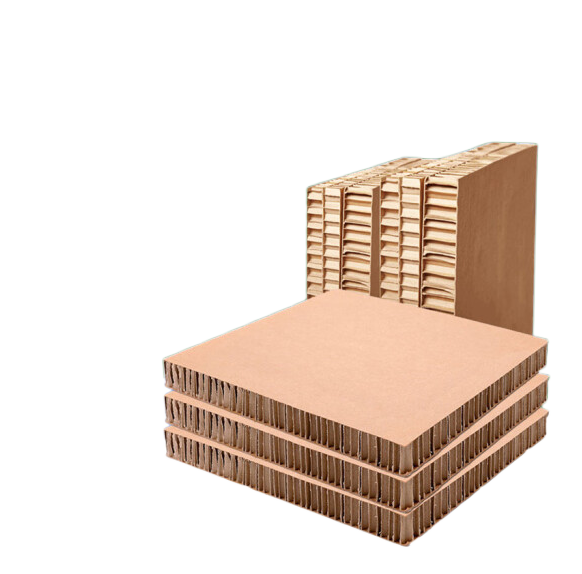
As sustainability becomes an essential factor in purchasing decisions, many businesses are moving away from plastic-based packaging and opting for more eco-friendly alternatives. Honeycomb paper is made from recycled materials, making it biodegradable, recyclable, and compostable. It is an ideal choice for businesses aiming to reduce their carbon footprint. Additionally, honeycomb paper uses fewer raw materials compared to bubble wrap, further reducing waste in the production process.
On the other hand, bubble wrap is made of plastic, which is non-biodegradable and takes hundreds of years to break down in landfills. While bubble wrap can be recycled, the process is complicated and costly due to the layers of air pockets it contains, making it less efficient compared to paper-based alternatives. This contributes to a growing environmental concern, especially when considering the vast amounts of plastic packaging that end up in landfills and oceans each year.
In fact, the global impact of plastic waste has led many countries and organizations to ban or restrict the use of single-use plastic items. This shift has made honeycomb paper a more attractive alternative for businesses that want to align with sustainability goals.
The production of honeycomb paper uses recycled kraft paper, and its honeycomb structure ensures minimal material is used for maximum strength and protection. The energy required to produce honeycomb paper is lower than the production of plastic materials like bubble wrap. Moreover, honeycomb paper is more lightweight, reducing the carbon emissions associated with transportation.
Conversely, bubble wrap is made from polyethylene, a type of plastic that is energy-intensive to produce. While bubble wrap can be reused multiple times, it still remains a significant contributor to global plastic waste. The recycling process is often not as straightforward as it is with paper-based packaging materials, leading to inefficiencies in the long run.
As more consumers and businesses prioritize eco-friendly practices, honeycomb paper’s biodegradability and recyclability make it a favorable choice for companies looking to improve their sustainability efforts.
Material | Biodegradable | Recyclable | Compostable | Production Waste |
Honeycomb Paper | Yes | Yes | Yes | Low |
Bubble Wrap | No | Complicated | No | High |
With increasing consumer demand for sustainable packaging solutions, businesses are now expected to minimize their environmental impact. Choosing honeycomb paper over plastic-based options like bubble wrap can enhance your brand’s reputation as an environmentally responsible company. Not only will it help you comply with future regulatory requirements, but it may also increase customer loyalty. Studies show that consumers are more likely to purchase from brands that are committed to reducing their environmental footprint.
Tip: Switching to eco-friendly packaging like honeycomb paper can lead to improved customer satisfaction and better market positioning as sustainability continues to shape consumer preferences.
The primary purpose of any packaging material is to protect the contents during shipping. Honeycomb paper achieves this by forming hexagonal cells that act as shock absorbers. The overlapping layers of paper create a strong yet flexible material that can cushion fragile items. It works by distributing the impact energy, reducing the risk of damage during transit.
Honeycomb paper is particularly effective in protecting medium to low-impact products such as glassware, bottles, and ceramics. It’s also used widely in small businesses for packaging delicate items such as jewelry or candles. However, it’s important to note that honeycomb paper might not provide as much protection as bubble wrap for extremely fragile items.
Bubble wrap, with its air-filled bubbles, provides an excellent cushion for highly fragile items. The bubbles act as tiny airbags that absorb shocks and impacts, making it an ideal choice for packing electronics, delicate glass, or other items that require the highest level of protection. The more bubbles per square inch, the better the shock absorption.
Unlike honeycomb paper, bubble wrap is more flexible in terms of its ability to wrap around irregularly shaped items, offering a snug fit. This makes bubble wrap a versatile material for various shapes, sizes, and weights.
While bubble wrap offers superior cushioning for fragile items, its use is often not as environmentally friendly as honeycomb paper. Honeycomb paper may be sufficient for many packaging needs, especially when combined with reinforced edges or additional layers for extra protection.
Material | Shock Absorption | Flexibility | Best For |
Honeycomb Paper | Moderate | Low | Medium-impact items |
Bubble Wrap | High | High | Fragile items, irregular shapes |
The decision between honeycomb paper vs bubble wrap depends on the fragility and weight of the items being packed. For products that require high shock absorption, bubble wrap is likely the better option. However, if the items are moderately fragile, honeycomb paper can provide adequate protection while offering the added benefits of sustainability and cost savings over time.
Tip: For businesses focusing on shipping fragile electronics or delicate glass items, bubble wrap is the preferred option. For lighter, less fragile products, honeycomb paper offers sufficient protection without the environmental concerns.
At first glance, bubble wrap may seem like the more affordable option. The material is widely available and usually cheaper than honeycomb paper, especially when purchased in bulk. Bubble wrap is often priced by the roll or by the square foot, which can make it more affordable for businesses with smaller packaging needs.
However, while honeycomb paper might come at a slightly higher upfront cost, the added benefits of reduced shipping costs and better sustainability can lead to long-term savings. The compact design of honeycomb paper means it takes up less storage space, which can reduce both storage costs and shipping fees. Its lightweight nature helps reduce shipping expenses, particularly for businesses that ship products in high volumes.
Over time, honeycomb paper can be more cost-effective than bubble wrap. Its lightweight nature helps reduce shipping costs, which can be especially significant for businesses that ship large quantities of goods. Additionally, honeycomb paper takes up less space than bubble wrap, which reduces storage costs and maximizes warehouse efficiency.
When factoring in both upfront costs and long-term savings, honeycomb paper often proves to be more cost-efficient, especially when considering the environmental benefits that may reduce disposal and recycling costs. Additionally, by aligning with sustainability goals, honeycomb paper may help your business appeal to eco-conscious consumers, ultimately leading to increased customer loyalty.
Material | Upfront Cost | Shipping Cost | Storage Space | Long-Term Savings |
Honeycomb Paper | Higher | Lower | Less | Higher |
Bubble Wrap | Lower | Higher | More | Lower |
Honeycomb paper is incredibly easy to use. The material can be torn by hand and does not require additional tools like scissors or tape in many cases. The interlocking hexagonal design ensures the paper stays in place without the need for adhesives. This simplicity saves time, which can be crucial in fast-paced packing environments.
For businesses that need to quickly and efficiently pack products, honeycomb paper is a great option. The material is also more lightweight, making it easier to handle and store.
While bubble wrap offers superior protection, it does come with certain challenges. It often requires scissors to cut to the desired size and tape to secure it around the item, which can slow down the packing process. Additionally, bubble wrap takes up more space, requiring more storage area compared to honeycomb paper.
Packaging efficiency can also be a concern, especially for businesses with high-volume packing needs. The time spent cutting and securing bubble wrap can add up, impacting overall productivity.
Material | Ease of Use | Requires Tools | Storage Space | Packing Speed |
Honeycomb Paper | Easy | No | Less | Faster |
Bubble Wrap | Moderate | Yes | More | Slower |
The natural look of honeycomb paper adds a touch of elegance to your packaging. Unlike plastic-based materials, honeycomb paper has a more refined, eco-friendly appearance that aligns with current trends in sustainable packaging. This makes it an attractive choice for businesses looking to create a memorable unboxing experience for customers.
Bubble wrap, while functional, lacks the premium look of honeycomb paper. Its plastic, bulky appearance may not align with brands that want to project an upscale, environmentally-conscious image. Customers are increasingly aware of the environmental implications of plastic packaging, and businesses using plastic may face negative feedback from eco-conscious consumers.
Packaging plays a significant role in customer satisfaction. The aesthetic appeal of packaging can influence how customers perceive the value of your product and your brand. By choosing honeycomb paper, businesses can provide an enhanced unboxing experience that reflects their commitment to sustainability, helping to foster customer loyalty.
For small businesses, honeycomb paper can be a better fit as it’s lightweight, easy to use, and helps create a premium brand image. However, for larger enterprises dealing with high volumes of fragile goods, bubble wrap may still be more cost-effective in the short term due to its lower initial price and widespread availability.
Honeycomb paper offers more opportunities for customization. Its clean, neutral design can be easily tailored with your brand's logo, colors, or messaging, providing a more personalized touch for your customers. It is a versatile packaging material that can help enhance your branding efforts.
Business Type | Best Material | Key Benefits | Customization Opportunities |
Small Business | Honeycomb Paper | Lightweight, premium look, easy to use | High customization potential |
Large Business | Bubble Wrap | Cost-effective, high-volume suitability | Limited customization |
When comparing Honeycomb Paper vs Bubble Wrap, each material has unique advantages. Honeycomb paper excels in sustainability, ease of use, and aesthetic appeal, making it ideal for businesses with eco-conscious goals. Bubble wrap, however, is better suited for extremely fragile items requiring high protection.
Choosing honeycomb paper can enhance your brand image, build customer loyalty, and offer long-term cost savings. Companies like Wuxi Shenxi Honeycomb Machinery Factory provide high-quality honeycomb paper products that cater to businesses looking for sustainable and efficient packaging solutions.
A: Honeycomb Paper vs Bubble Wrap offers distinct benefits. Honeycomb paper is eco-friendly, lightweight, and provides good cushioning for medium-impact items, while bubble wrap excels at protecting extremely fragile products with its shock-absorbing air bubbles.
A: Honeycomb Paper vs Bubble Wrap: Honeycomb paper is more eco-friendly as it is biodegradable, recyclable, and made from recycled materials. Bubble wrap, made from plastic, contributes to more plastic waste and is less environmentally friendly.
A: Honeycomb Paper vs Bubble Wrap: Bubble wrap offers superior protection for fragile items due to its air-filled bubbles that absorb shocks. Honeycomb paper provides moderate protection for less fragile goods but is not as shock-resistant.
A: Honeycomb Paper vs Bubble Wrap: Honeycomb paper may have a higher initial cost, but its lightweight design reduces shipping costs, making it more cost-effective in the long run. Bubble wrap is cheaper upfront but may incur higher shipping and storage expenses.
A: Honeycomb Paper vs Bubble Wrap: If sustainability and a clean, professional look are priorities, honeycomb paper is the better choice. For maximum protection of delicate items, bubble wrap is ideal due to its shock absorption capabilities.
A: Honeycomb Paper vs Bubble Wrap: Honeycomb paper can replace bubble wrap for many products that don't require heavy shock absorption. For extremely fragile items like electronics or fine china, bubble wrap is recommended for extra protection.