We are a highly professional and experienced suppliers of honeycomb machine, honeycomb core machine, honeycomb panel machine in China.
Author: Site Editor Publish Time: 2025-12-24 Origin: Site


In today’s environmentally conscious world, businesses are increasingly looking for ways to reduce their carbon footprint and adopt sustainable practices. One solution that has gained significant traction is honeycomb paper packaging. This innovative material, made from layers of paper glued together in a honeycomb structure, provides both strength and lightweight characteristics. It offers businesses a way to protect their products while reducing environmental impact.
In this article, we’ll dive into everything you need to know about honeycomb paper packaging. You’ll learn about its structure, benefits, applications, and how it can help businesses meet sustainability goals.
Honeycomb paper packaging is created by gluing multiple layers of paper together to form a hexagonal, honeycomb-like structure. This innovative design gives the material its unique combination of lightweight properties and incredible strength. The honeycomb structure allows the paper to act as a shock absorber, providing excellent cushioning for products during transit, even for fragile and delicate items.
The design works by distributing pressure evenly across the surface, so products are less likely to suffer from impact damage during shipping. Unlike solid materials such as foam or plastic, honeycomb paper efficiently absorbs shocks and reduces the overall pressure on the item being packed.
The honeycomb paper can be used in both flexible and rigid formats, and it can be adapted for different product shapes and sizes. This versatility makes it ideal for a wide range of applications, from e-commerce and logistics to food packaging and industrial use.
The primary materials used in honeycomb paper packaging include kraft paper, a form of paper made from wood pulp, and recycled paper. Kraft paper is popular because it is strong, durable, and biodegradable, while recycled paper offers an eco-friendly alternative that helps reduce waste.
● Virgin Kraft Paper: The main advantage of virgin kraft paper is its flexibility and strength. It can be stretched and molded to fit various shapes, making it ideal for wrapping delicate and fragile items like glassware or electronics. However, this comes at a higher environmental cost since it’s made from newly sourced wood fibers.
● Recycled Kraft Paper: Made from post-consumer paper products, recycled kraft paper is a more sustainable option. It’s a great choice for businesses looking to lower their environmental impact. Though it may not be as flexible as virgin kraft, recycled honeycomb paper still provides adequate protection and is fully recyclable and biodegradable.
Eco-friendly Focus: Choosing recycled kraft paper for packaging helps businesses align with sustainability goals while still providing reliable protection for products. This makes honeycomb paper a fantastic packaging option for companies in sectors that prioritize eco-conscious decisions.
Material Type | Key Features | Benefits | Environmental Impact |
Virgin Kraft Paper | Strong, flexible, and durable | Ideal for fragile items, molds easily | Higher environmental cost due to new wood fibers |
Recycled Kraft Paper | Made from post-consumer paper, slightly less flexible | Sustainable, cost-effective, recyclable | Lower environmental impact, promotes recycling |
Honeycomb paper packaging offers unparalleled protection for fragile items. The material is designed to handle significant amounts of compression, making it highly effective at shielding goods during transport. Its honeycomb pattern ensures that products remain securely in place, reducing movement and risk of damage.
When compared to traditional packaging materials like bubble wrap and foam, honeycomb paper stands out for its combination of shock absorption, strength, and space efficiency. It is especially useful for fragile products such as electronics, ceramics, and glass items, offering greater protection and cushioning during transit.
Comparison with Other Materials:
Bubble Wrap: While bubble wrap is commonly used for fragile packaging, it’s often inefficient, particularly for larger or heavier items. The bubbles can lose their protective properties under pressure, and it requires a significant amount of material to achieve sufficient protection.
Foam: Foam, though protective, is often bulky, heavier, and less eco-friendly than honeycomb paper. Honeycomb paper is a far more sustainable and efficient option.
Material Type | Key Features | Benefits | Environmental Impact |
Honeycomb Paper | Lightweight, strong, shock-absorbing | Efficient protection, minimal movement during transit | Eco-friendly, recyclable |
Bubble Wrap | Air-filled bubbles, flexible | Commonly used for fragile items, good shock absorption | Less efficient for heavy items, uses more material |
Foam | Bulky, dense, cushioned | Effective for fragile items, provides cushioning | Heavy, less sustainable, often non-recyclable |
One of the most significant advantages of honeycomb paper packaging is its lightweight nature. Being lighter than many other packaging materials, honeycomb paper helps reduce shipping costs. Less weight means lower fuel consumption during transportation, which leads to a reduction in overall carbon emissions.
Moreover, honeycomb paper is made from natural, recyclable materials, making it an environmentally friendly option. It is biodegradable and can be easily recycled after use. This makes it a perfect fit for businesses looking to embrace sustainable packaging alternatives and reduce their environmental impact.
Sustainability Benefits:
● Reduction in Carbon Emissions: The lightweight nature of honeycomb paper reduces the fuel needed for transportation.
● Biodegradable and Recyclable: Unlike plastic alternatives, honeycomb paper decomposes naturally, preventing it from contributing to long-term environmental pollution.
Honeycomb paper packaging offers a cost-effective solution for businesses in various industries. The material is relatively inexpensive, and because it’s lightweight, it reduces shipping and handling costs. In addition, honeycomb paper’s efficient protective qualities mean that businesses can use fewer materials to achieve the same level of protection as they would with foam or bubble wrap.
For e-commerce companies, the use of honeycomb paper packaging can also help reduce returns. By minimizing damage during transit, businesses experience fewer costly product replacements and better overall customer satisfaction.
Cost Comparison:
● Honeycomb Paper: Lower material costs and reduced shipping expenses.
● Bubble Wrap & Foam: Heavier, less efficient, and more costly alternatives.
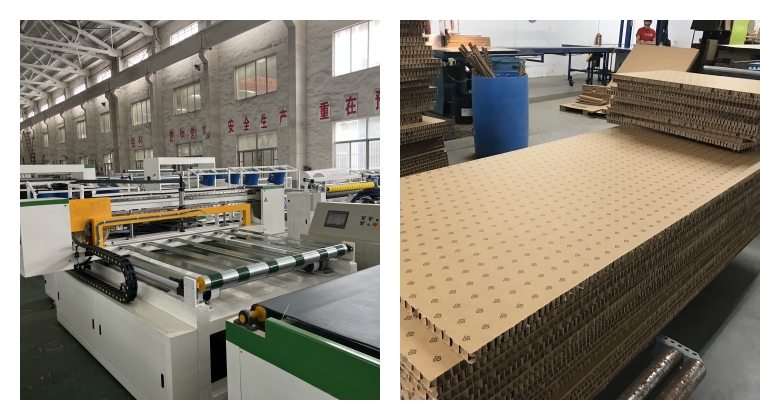
Honeycomb paper packaging is ideal for protecting fragile and delicate goods such as glass, ceramics, and electronics. Its superior cushioning and shock-absorbing properties ensure that items are securely wrapped and less likely to suffer damage during shipping.
For businesses that deal with fragile products, honeycomb paper offers a superior alternative to other packaging materials, providing excellent protection without the environmental downsides of plastic-based options.
In the fast-growing e-commerce industry, honeycomb paper packaging is being embraced not only for its protective qualities but also for its versatility. The material can be customized to fit specific product shapes and sizes, and it can be printed with logos, designs, or branding messages. This customization makes honeycomb paper packaging an excellent tool for enhancing a brand’s visibility.
Moreover, honeycomb paper’s neat and modern appearance contributes to a premium unboxing experience. With the rise of unboxing videos on social media, businesses are recognizing the power of high-quality, eco-friendly packaging to attract customers and build brand loyalty.
The food industry has also embraced honeycomb paper packaging for its ability to protect delicate items such as eggs, fruits, and baked goods. In addition to providing protection, honeycomb paper is biodegradable and offers a more sustainable solution than traditional plastic packaging.
For businesses in the food sector, using honeycomb paper packaging not only ensures that food items reach customers safely but also aligns with consumer demand for sustainable, eco-friendly products. As food delivery services continue to grow, honeycomb paper offers a viable alternative to plastic containers and wraps, helping to reduce waste.
When deciding between virgin and recycled honeycomb paper, businesses must consider several factors, including product requirements, cost, and environmental impact. Virgin honeycomb paper is more flexible, providing better protection for fragile items, but it comes at a higher environmental cost. On the other hand, recycled honeycomb paper, made from post-consumer waste, offers an eco-friendly option that still provides solid protection for products, though it may not be as flexible.
Choosing Between Virgin and Recycled Paper:
Virgin Honeycomb Paper: Ideal for products that need extra flexibility and protection.
Recycled Honeycomb Paper: A more environmentally responsible option, best for less delicate goods.
Material Type | Key Features | Best Use | Environmental Impact |
Virgin Honeycomb Paper | More flexible, stronger protection | Ideal for fragile items needing extra protection | Higher environmental cost due to new wood fibers |
Recycled Honeycomb Paper | Made from post-consumer waste, less flexible | Suitable for less delicate items | Lower environmental impact, promotes sustainability |
The thickness of the honeycomb paper you choose will depend on the level of protection required for your product. Thin honeycomb paper (70 GSM or 80 GSM) is lightweight and cost-effective, but it may not provide sufficient protection for fragile or heavy items. Thicker paper (90 GSM or higher) offers greater cushioning and reduces the need for multiple layers of packaging.
Thickness Guide:
Paper Thickness | Best For | Key Characteristics |
Thin Paper (70-80 GSM) | Lighter, non-fragile items | Cost-effective, lightweight, but less protective |
Thick Paper (90 GSM+) | Heavier or delicate products | Provides extra cushioning and protection |
Colored honeycomb paper is an excellent option for businesses looking to enhance their packaging’s visual appeal. Whether it’s for gift packaging, retail, or luxury products, colored honeycomb paper can be customized to match a brand’s colors or create a unique aesthetic. Luxury brands often opt for gold or silver honeycomb paper, while pastel shades are popular in the eco-friendly gift wrapping sector.
Branding and Aesthetics:
Application | Preferred Colors | Purpose |
Luxury Brands | Gold, Silver | Creates a premium, high-end packaging look |
Eco-Friendly Packaging | Pastel Shades | Reflects sustainability and elegance in design |
Using honeycomb paper packaging not only benefits the environment but also boosts a brand’s image. In a world where consumers are increasingly aware of sustainability issues, choosing eco-friendly packaging sends a positive message to customers. Brands that prioritize sustainability are more likely to attract eco-conscious consumers and build stronger customer loyalty.
Unboxing is more than just opening a package—it’s an experience. With the rise of social media, particularly platforms like Instagram and YouTube, unboxing videos have become a key tool in influencing consumer behavior. Honeycomb paper packaging, with its premium look and feel, enhances the unboxing experience, leaving customers with a positive impression of your brand.
Customer Experience Benefits:
● Premium Look: Honeycomb paper elevates your packaging’s overall aesthetic.
● Social Media Impact: Memorable unboxing experiences encourage sharing online, promoting your brand.
Honeycomb paper packaging is a revolutionary solution for businesses looking to enhance sustainability while improving packaging practices. Its lightweight, durable, and eco-friendly properties make it the perfect choice for industries such as e-commerce, retail, and logistics. Switching to honeycomb paper packaging helps businesses reduce costs, protect fragile items, and showcase their commitment to sustainability. As the demand for green alternatives grows, honeycomb paper is poised to become a key player in packaging.
Wuxi Shenxi Honeycomb Machinery Factory offers high-quality honeycomb machinery solutions, providing efficient and eco-friendly packaging options that deliver outstanding value to businesses.
A: Honeycomb paper packaging is a sustainable and eco-friendly material made by gluing layers of paper together in a honeycomb structure. It provides strength and lightweight properties, making it ideal for protecting fragile items during shipping.
A: Honeycomb paper packaging is used in e-commerce to protect delicate items during transit. Its lightweight design reduces shipping costs while providing excellent cushioning, making it a cost-effective choice for businesses.
A: Businesses should consider Honeycomb Paper Packaging due to its sustainability, cost-effectiveness, and ability to provide superior protection for fragile products, helping reduce environmental impact while improving customer satisfaction.
A: Yes, Honeycomb Paper Packaging is fully recyclable and biodegradable, making it a responsible alternative to plastic packaging. Its eco-friendly properties help reduce waste and promote sustainability.
A: Honeycomb Paper Packaging offers better environmental benefits, as it is recyclable and biodegradable. Unlike bubble wrap, it is stronger, lightweight, and more cost-effective, providing reliable protection for fragile goods.
A: Honeycomb Paper Packaging offers excellent impact resistance, cushioning fragile items like glass or electronics during transport. It reduces the risk of damage while being lightweight and sustainable.