We are a highly professional and experienced suppliers of honeycomb machine, honeycomb core machine, honeycomb panel machine in China.
Author: Site Editor Publish Time: 2026-01-21 Origin: Site


Honeycomb materials are known for their lightweight yet durable structure, making them essential in many industries. Their unique hexagonal pattern allows for a high strength-to-weight ratio, ideal for applications where strength and weight are critical. In this article, we’ll compare paper honeycomb and aluminum honeycomb, two widely used materials with distinct properties, costs, and environmental impacts.
You’ll learn about the differences between these two materials, and how to choose the right one for your specific needs, whether you're focused on sustainability, cost-efficiency, or performance.
Paper honeycomb is crafted from layers of kraft or recycled paper, which are bonded together to form a hexagonal pattern. This design results in a lightweight yet strong core that can be sandwiched between other materials, creating a strong, durable panel. The manufacturing process involves gluing the layers of paper together, with each layer's pattern providing structural integrity. As a result, paper honeycomb offers excellent compressive strength while remaining lightweight.
Shenxi Honeycomb specializes in high-quality paper honeycomb products, which provide eco-friendly, cost-effective solutions for a range of industries. These products are not only affordable but also contribute to sustainability goals, making them ideal for projects with environmental considerations.
Paper honeycomb is widely used in industries that require lightweight, cost-effective materials. Its ability to reduce weight without sacrificing strength makes it ideal for various applications, especially in packaging and furniture. Below are some key industries and applications where paper honeycomb is commonly used:
Industry | Application | Benefits |
Packaging | Protective cushioning for fragile items | Strong, cost-effective, and lightweight |
Furniture | Tabletops, cabinet doors, lightweight parts | Durable, lightweight, and cost-efficient |
Interior Applications | Door cores, partitions | Reduces weight without compromising strength |
Construction | Interior panels, partition walls | Sustainable and lightweight for construction |
Environmental Projects | Eco-friendly applications | Made from renewable and recyclable materials |
● Cost-Effective: Paper honeycomb is much cheaper than aluminum honeycomb, making it an ideal solution for projects with a strict budget. Its low production cost also translates into lower overall expenses for end-users.
● Eco-Friendly: Made from recycled paper and renewable resources, paper honeycomb is fully recyclable and biodegradable, making it a sustainable choice for businesses that prioritize environmental impact.
● Lightweight: One of the biggest advantages of paper honeycomb is its lightness, which reduces shipping costs and allows for easier handling during production and transport.
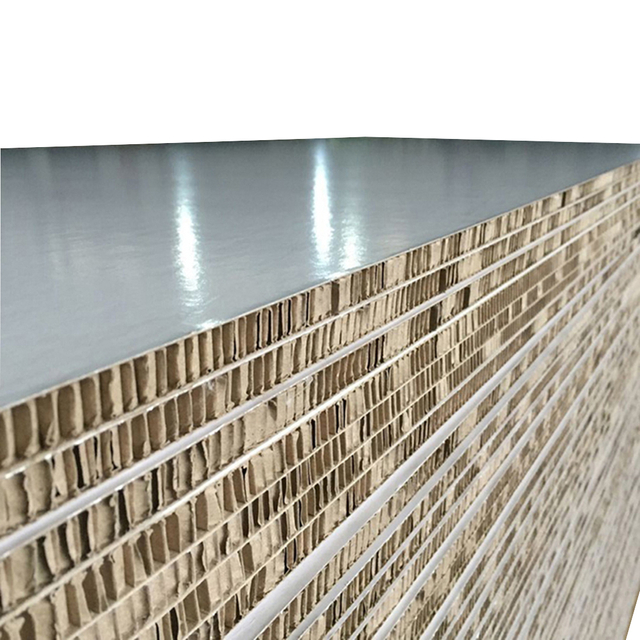
Aluminum honeycomb is constructed using thin aluminum foil alloys, typically 3003, 5052, or 5056, which are bonded together to form the characteristic honeycomb structure. The aluminum used in the production of this material is chosen for its high strength, rigidity, and resistance to corrosion. Unlike paper honeycomb, aluminum honeycomb is non-combustible, offering better performance in high-temperature and fire-sensitive environments. It is also resistant to moisture, chemicals, and corrosion, which makes it an ideal choice for industries exposed to harsh conditions.
The fabrication process for aluminum honeycomb involves bonding the aluminum sheets to the honeycomb core, creating panels that are both rigid and lightweight.
Aluminum honeycomb is primarily used in high-performance industries that require materials with exceptional strength, durability, and resistance to extreme conditions. It is highly valued for its combination of lightweight properties and high structural integrity. Below are some of the key industries and applications where aluminum honeycomb is commonly used:
Industry | Application | Benefits |
Aerospace | Aircraft panels | Lightweight, strong, and fuel-efficient |
Automotive | Vehicle body panels | Provides strength and reduces weight |
Marine | Ship bulkheads | Durable, strong, and resistant to corrosion |
Construction | Facades, cladding, structural elements | Fire-resistant, moisture-resistant, and strong |
● High Strength and Rigidity: Aluminum honeycomb provides much greater strength and rigidity compared to paper honeycomb. This makes it ideal for heavy-duty applications where the material must withstand significant stress.
● Fire Resistance: One of the key advantages of aluminum honeycomb is its non-combustibility, making it the preferred choice for industries that require high fire safety standards, such as aerospace and construction.
● Durability: Aluminum honeycomb offers excellent resistance to moisture, chemicals, and environmental factors, ensuring a long lifespan in harsh conditions.
When comparing paper honeycomb and aluminum honeycomb, the most significant difference lies in their strength and rigidity. Aluminum honeycomb is designed to withstand far greater stress and load-bearing forces, making it ideal for structural applications in industries such as aerospace, automotive, and construction. Paper honeycomb, while strong, is better suited for applications where the load-bearing requirements are relatively low, such as packaging or lightweight furniture.
Paper honeycomb is much lighter than aluminum honeycomb, which is a critical factor in applications where weight reduction is a priority. The reduced weight of paper honeycomb makes it a great choice for shipping, packaging, and certain interior construction applications. However, its lightness comes at the cost of structural integrity, making aluminum honeycomb the better choice for heavy-duty applications where strength is essential.
In terms of fire resistance, aluminum honeycomb clearly outperforms paper honeycomb. Aluminum is naturally non-combustible, which is why it is the material of choice for industries where fire safety is paramount. In contrast, paper honeycomb is flammable and requires special fire-retardant treatments to meet safety standards in fire-sensitive applications.
Aluminum honeycomb offers superior environmental durability, particularly in terms of moisture, corrosion, and chemical resistance. This makes it ideal for industries like marine, automotive, and aerospace, where components are regularly exposed to extreme conditions. Paper honeycomb, while recyclable and eco-friendly, is more vulnerable to moisture and must be treated or coated to enhance its environmental resilience.
Paper honeycomb is significantly cheaper than aluminum honeycomb, making it an ideal choice for projects with budget constraints. It is also more sustainable, as it is made from recycled materials and is fully recyclable. Aluminum honeycomb, though more expensive, offers superior performance in high-strength, fire-resistant, and environmentally challenging applications. Shenxi Honeycomb offers both materials, allowing businesses to select the best option based on their specific requirements.
Feature | Paper Honeycomb | Aluminum Honeycomb |
Strength | Moderate | High |
Weight | Light | Heavier |
Fire Resistance | Flammable (requires treatment) | Non-combustible |
Durability | Needs treatment for moisture | High moisture and corrosion resistance |
Cost | Low | High |
Paper honeycomb is an excellent option for projects where cost control is essential. It provides a durable, affordable solution for industries such as packaging and furniture. Its lightweight structure makes it an attractive alternative to heavier materials, reducing both production and shipping costs. Additionally, paper honeycomb is eco-friendly, made from recycled materials, which supports sustainability efforts. Companies looking to minimize their environmental impact will find paper honeycomb aligns with their green initiatives.
In industries like logistics, where packaging costs can add up quickly, paper honeycomb serves as an affordable and effective material to ensure safe delivery of goods. By choosing paper honeycomb, businesses get a cost-effective, lightweight, and environmentally sustainable option that meets their material needs without compromising on performance.
Application | Benefits | Example Use Cases |
Packaging | Cost-effective, lightweight, eco-friendly | Protective cushioning for fragile items |
Furniture | Durable, lightweight, sustainable | Lightweight cabinet doors, tabletops |
Interior Components | Easy to handle, cost-saving | Doors, partitions, and walls |
The primary benefit of paper honeycomb lies in its low weight. This is particularly beneficial for industries focused on shipping, logistics, and e-commerce. Shipping costs can be a major expense, especially when dealing with bulk items or high volumes. The lightweight nature of paper honeycomb significantly reduces transportation costs, making it ideal for companies seeking to improve their supply chain efficiency.
Additionally, because it’s easier to handle and requires less energy to transport, paper honeycomb reduces handling costs. This makes it a practical choice for businesses aiming to keep their logistics costs low while maintaining packaging that offers sufficient protection.
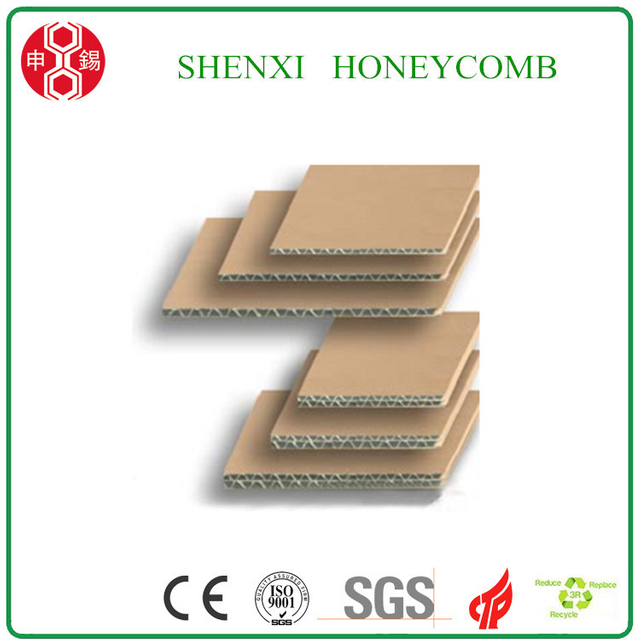
Aluminum honeycomb is the ideal material when high strength and durability are required. Its superior strength-to-weight ratio makes it essential for applications that need to balance weight reduction with structural integrity. Industries like aerospace, automotive, and marine demand materials that can withstand high stress, heavy loads, and harsh conditions without compromising on performance. Aluminum honeycomb is perfectly suited for these environments, offering unmatched rigidity and strength in a lightweight package.
The aerospace industry, for example, relies heavily on aluminum honeycomb for its aircraft panels and fuselages, where both strength and fuel efficiency are crucial. The ability of aluminum honeycomb to maintain its form and function under extreme conditions makes it the preferred material in high-performance sectors.
Industry | Application | Benefits |
Aerospace | Aircraft panels, fuselages | Lightweight, strong, fuel-efficient |
Automotive | Vehicle body panels, chassis | Durable, high strength for structural integrity |
Marine | Ship bulkheads, deck components | Moisture-resistant, corrosion-resistant |
For industries where fire safety is a top priority, aluminum honeycomb offers significant advantages. It is inherently non-combustible, which is why it is widely used in applications that require stringent fire resistance, such as in aerospace and construction. Aluminum honeycomb’s fire-resistant properties make it ideal for environments where safety standards are critical.
In addition to fire resistance, aluminum honeycomb offers superior durability in the face of harsh environmental factors. It is resistant to corrosion, moisture, and chemicals, making it perfect for applications in industries such as marine, automotive, and construction, where components are exposed to extreme conditions. For projects that require both strength and longevity in challenging environments, aluminum honeycomb is the material of choice.
Paper honeycomb is a highly sustainable material. It is fully recyclable, biodegradable, and made from renewable resources, making it an excellent choice for businesses that prioritize eco-friendliness. The use of recycled paper reduces the environmental impact of production, aligning with sustainability goals.
Aluminum honeycomb, while requiring more energy to produce, is also recyclable. Recycling aluminum helps reduce its environmental footprint and contributes to a circular economy. Although aluminum’s production process is more energy-intensive, its longevity and recyclability make it a sustainable choice for many industries.
In terms of environmental impact, paper honeycomb is a clear winner when it comes to carbon footprint, recyclability, and biodegradability. However, aluminum honeycomb's durability and resistance to harsh environmental factors make it a more suitable option for long-term applications where performance is critical.
Feature | Paper Honeycomb | Aluminum Honeycomb |
Recyclability | Fully recyclable, biodegradable | Recyclable, but energy-intensive |
Environmental Impact | Low carbon footprint, eco-friendly | Durable, supports circular economy |
Long-Term Suitability | Best for short to medium-term use | Best for high-performance, long-term use |
Choosing between paper honeycomb and aluminum honeycomb depends on the project’s specific needs. Paper honeycomb is perfect for lightweight, cost-effective, and sustainable applications. It is suitable for low-strength requirements. In contrast, aluminum honeycomb provides superior strength, fire resistance, and environmental durability, making it ideal for high-performance sectors like aerospace, automotive, and marine.
Whether choosing Shenxi Honeycomb’s paper or aluminum products, it’s important to evaluate your project’s performance, cost, and environmental impact. Understanding the unique properties of each material helps ensure the best decision for optimized results.
A: The main difference between paper honeycomb and aluminum honeycomb is their strength and applications. Paper honeycomb is lightweight and cost-effective, ideal for low-strength applications, while aluminum honeycomb offers superior strength, fire resistance, and durability for high-performance uses.
A: Choose paper honeycomb for cost-effective, lightweight, and sustainable solutions, especially for low-load-bearing applications like packaging and furniture. It's ideal when strength demands are lower.
A: Aluminum honeycomb is preferred in aerospace due to its high strength-to-weight ratio, fire resistance, and environmental durability. It can withstand extreme conditions, making it perfect for aerospace needs.
A: Paper honeycomb is much cheaper than aluminum honeycomb, making it suitable for budget-conscious projects. Aluminum honeycomb costs more but offers better durability and performance for high-stress applications.
A: Paper honeycomb is lightweight, cost-effective, and eco-friendly, perfect for packaging and interior applications. Aluminum honeycomb offers superior strength, fire resistance, and moisture resistance, making it suitable for demanding industries like aerospace and automotive.
A: Paper honeycomb is not ideal for outdoor use unless specially treated, as it is vulnerable to moisture. Aluminum honeycomb is more suitable for outdoor applications due to its resistance to corrosion and harsh weather conditions.