We are a highly professional and experienced suppliers of honeycomb machine, honeycomb core machine, honeycomb panel machine in China.
Author: Site Editor Publish Time: 2026-02-02 Origin: Site


Packaging materials are essential for protecting goods during transit, but traditional options like wood present environmental and logistical challenges. Wood packaging requires large amounts of natural resources and is often subject to export restrictions.
As businesses seek eco-friendly alternatives, honeycomb packaging panels offer a sustainable solution. Made from paper-based materials, honeycomb panels provide exceptional protection while minimizing environmental impact. In this article, we'll explore the benefits of honeycomb packaging panels, their advantages over wood, and why they are becoming the future of sustainable packaging.
Honeycomb panels are crafted from layers of kraftliner or recycled paper, formed into a hexagonal pattern that mimics the natural structure of honeycomb. This biomimetic design allows for maximum strength and minimal weight, making honeycomb panels incredibly efficient in protecting goods during transit. Shenxi Honeycomb, a recognized leader in honeycomb technology, manufactures these panels using high-strength kraft paper, ensuring exceptional durability and high performance for a wide range of industries.
The manufacturing process involves folding paper into a honeycomb shape and bonding it to outer layers for additional strength. These panels can be cut and customized to meet the exact dimensions required, providing versatility and adaptability for various packaging needs. Whether for heavy-duty pallets or delicate item protection, honeycomb panels offer tailored solutions for every type of product.
Key features of honeycomb panels:
● Made from recyclable materials, reducing environmental impact
● Fully customizable for different sizes and applications
● Light yet durable, offering cost-effective shipping solutions
Honeycomb panels are a more sustainable option compared to traditional materials like wood and plastic. Made from recycled paper, they reduce the need for virgin wood and have a lower environmental footprint. They're also fully recyclable and biodegradable, supporting the circular economy.
Factor | Honeycomb Panels | Wood | Plastic |
Source of Materials | Recycled paper, renewable | Virgin wood | Petroleum-based |
Energy Consumption | Low energy use | High energy use | High energy use |
Recyclability | 100% recyclable | Limited recycling | Difficult to recycle |
Transportation Efficiency | Lightweight | Heavy | Heavy |
Honeycomb panels provide a greener, more energy-efficient alternative that reduces waste and environmental impact.
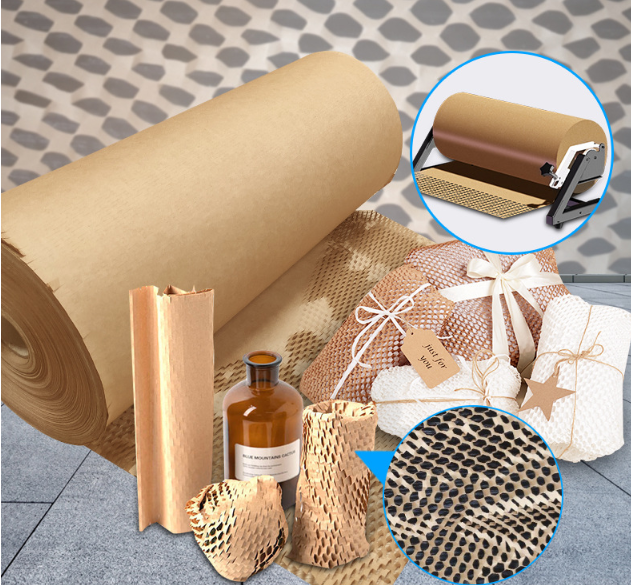
Honeycomb packaging panels are 75–85% lighter than wood-based alternatives, cutting transportation and fuel costs while lowering shipping’s environmental footprint. Lighter weight eases manual handling and lets businesses ship more goods with fewer resources, boosting logistics efficiency and reducing carbon emissions—ideal for e-commerce and large-scale logistics sectors.
Made from renewable kraft or recycled paper, honeycomb panels reduce reliance on resource-heavy wood. 100% recyclable and biodegradable, they can be repurposed easily and help businesses cut waste, shrink carbon footprints, and support circular economy goals. Unlike plastic or foam, they don’t contribute to long-term landfill waste, aligning with the packaging industry’s sustainability targets.
Unlike wood, honeycomb panels are exempt from ISPM-15 regulations that mandate heat treatment or fumigation for international shipments. This eliminates costly, time-consuming procedures and export restrictions, cutting down on customs clearance delays and avoiding the need for compliance certification fees, streamlining global logistics for businesses operating on an international scale.
Honeycomb panels’ hexagonal structure delivers superior shock absorption, evenly distributing forces to shield fragile items like electronics and furniture from transit vibrations and impacts. This unique design also resists compression and deformation, making them especially effective at protecting high-value goods that require extra safeguarding during handling and shipping.
Advantage | Honeycomb Panels | Wood |
Weight | 75-85% lighter | Heavy |
Recyclability | 100% recyclable | Limited recycling |
Shipping Compliance | No ISPM-15 requirements | Requires treatments |
Damage Protection | Superior shock absorption | Moderate protection |
Plastic is a common material used in packaging, but it comes with significant environmental drawbacks. While plastic is durable, it is often derived from petroleum and is not as easily recyclable as honeycomb panels. In contrast, honeycomb panels are made from renewable paper sources and are fully recyclable, making them a far more eco-friendly alternative.
Moreover, honeycomb panels are often less expensive than plastic materials, especially when considering long-term costs such as recycling and disposal fees. Their lightweight nature also reduces shipping costs, providing savings over plastic alternatives. Additionally, as governments and businesses look to reduce plastic waste, honeycomb packaging provides an alternative that meets both environmental and regulatory standards.
Honeycomb panels offer several advantages over traditional wood packaging. They have a superior strength-to-weight ratio, making them much lighter than wooden pallets, crates, and boxes. This weight reduction leads to lower shipping costs and increased efficiency in storage and handling.
The process of producing wood packaging materials involves significant resource use, including logging, transportation, and processing. Honeycomb panels, made primarily from recycled paper, are more sustainable and resource-efficient, making them a better choice for businesses committed to sustainability. Additionally, wood packaging is often subject to international regulations, while honeycomb panels are exempt, further simplifying logistics.
EPS foam is commonly used in packaging, but it poses serious environmental challenges. While EPS provides excellent protection, it is made from non-renewable resources and is difficult to recycle. Honeycomb panels, on the other hand, are made from recyclable paper and offer similar protection while being environmentally friendly.
Honeycomb panels provide comparable or better durability than EPS, particularly when it comes to shock absorption and load-bearing capacity. Additionally, honeycomb panels are biodegradable, making them a much more sustainable option. The environmental impact of EPS production, combined with its lack of recyclability, makes honeycomb packaging a much more appealing choice for businesses seeking green alternatives.
Packaging Material | Honeycomb Panels | Plastic | Wood | EPS |
Sustainability | Fully recyclable, biodegradable | Petroleum-based, hard to recycle | Resource-intensive, regulated | Non-renewable, difficult to recycle |
Weight | Lightweight, reduces shipping costs | Heavy, increases fuel use | Heavy, increases fuel use | Heavy, increases fuel use |
Environmental Impact | Low environmental footprint | High carbon footprint | Significant resource use | High environmental impact |
Shipping Compliance | Exempt from regulations | Requires treatment for international shipping | Requires treatment for international shipping | Requires treatment for international shipping |
Honeycomb panels provide a greener, more cost-effective, and efficient alternative to plastic, wood, and EPS.
Honeycomb panels are increasingly being used as an alternative to wooden pallets. Despite being lighter, honeycomb pallets can support heavy loads, making them suitable for a wide range of industries, from manufacturing to logistics. Their high load-bearing capacity ensures safe transportation of goods without compromising on strength. This is particularly important for industries that deal with bulk shipments or need to optimize their storage and transportation efficiency.
Honeycomb pallets also help maximize warehouse space by allowing more items to be stacked on top of each other without compromising the integrity of the products being shipped. This helps businesses save on storage costs while ensuring product safety during transit.
Honeycomb panels are also used as protective packaging for delicate items. Whether as custom cushions or corner protectors, honeycomb panels provide exceptional impact resistance, ensuring that fragile products like electronics, furniture, and glassware remain safe during transport.
Shenxi Honeycomb offers custom-engineered honeycomb solutions to protect high-value items, providing businesses with a reliable and sustainable option for product protection. The adaptability of honeycomb panels makes them an excellent choice for industries that need tailored packaging solutions to meet specific protection needs.
Instead of using foam or wooden fillers, honeycomb panels can serve as void fillers and interlayers within larger shipping containers. They help stabilize items during transit and prevent shifting, providing additional protection for sensitive goods.
Honeycomb panels also offer a more environmentally friendly alternative to traditional dunnage, reducing the need for non-recyclable materials and contributing to sustainability goals.
Application | Honeycomb Panels | Traditional Materials |
Pallets and Load-Carrying | Lightweight, supports heavy loads | Heavy, less storage efficient |
Protective Packaging | Excellent shock absorption | Moderate protection |
Void Fillers | Eco-friendly, stable | Foam and wood, not recyclable |
Honeycomb panels are typically more affordable than traditional wood packaging. Their cost-effective production process, combined with their durability, makes them an attractive option for businesses looking to save on materials without compromising quality. The fact that honeycomb panels are lighter also means they contribute to reduced shipping costs, which can lead to significant savings in the long run.
Additionally, honeycomb panels are made from recyclable materials, which helps businesses lower waste disposal costs. As businesses increasingly focus on cost reduction and environmental impact, honeycomb panels provide a sustainable and smart solution.
The lightweight nature of honeycomb panels leads to significant savings in shipping costs, as businesses can reduce fuel consumption and optimize storage space. In the long run, honeycomb panels can be reused multiple times, further enhancing their cost-effectiveness.
Honeycomb panels are also highly reusable, meaning businesses can save on recurring packaging costs over time. Their durability ensures they don’t need to be replaced as often, making them a cost-effective investment. By choosing honeycomb packaging, companies can continue to reduce supply chain expenses while promoting sustainability.
Benefit | Honeycomb Panels | Traditional Wood |
Material Cost | More affordable | Higher cost |
Shipping Cost | Reduced due to lightweight | Higher due to heavy weight |
Reusability | Highly reusable | Requires frequent replacement |
Environmental Impact | Made from recyclable materials | Often contributes to waste |
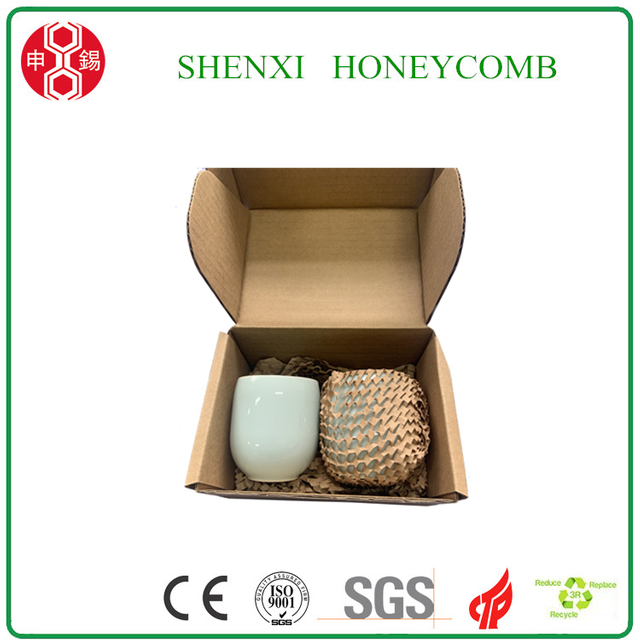
As the demand for sustainable packaging solutions grows, honeycomb panels stand out as an eco-friendly alternative to plastic, wood, and foam. Crafted from renewable paper or biodegradable base materials, they avoid the long-term pollution of non-degradable plastics and reduce reliance on wood harvesting that depletes forest resources. Their use of renewable materials, recyclability, and minimal environmental impact positions them as a key player in the future of packaging.
Consumers today are more environmentally conscious than ever before, with many willing to pay a premium for products wrapped in green packaging that aligns with their values. Businesses are responding by seeking out sustainable packaging solutions. Shenxi Honeycomb, a leader in honeycomb packaging solutions, is at the forefront of providing businesses with eco-friendly packaging that meets consumer expectations and enhances brand reputation.
Honeycomb panels are rapidly gaining popularity across various industries, including electronics, automotive, and food packaging—from shockproof electronic casings to food-grade inner liners. This growing adoption signals a broader shift towards more sustainable packaging options in the global market, further accelerated by tightening environmental regulations worldwide.
Honeycomb panels offer a sustainable, cost-effective alternative to traditional materials like wood, plastic, and foam. Their lightweight design, strength, and recyclability help businesses reduce costs and environmental impact. As sustainability becomes a priority, honeycomb panels are increasingly important in packaging. Shenxi Honeycomb, with its expertise in paper honeycomb technology, provides businesses with innovative, eco-friendly packaging solutions that meet growing consumer demand for greener alternatives.
A: Honeycomb packaging panels are made from kraft paper and recycled materials, providing a lightweight, strong, and eco-friendly solution for packaging.
A: Honeycomb packaging panels are lighter, more cost-effective, and 100% recyclable, making them a better option for sustainability compared to wood.
A: Made from renewable resources, honeycomb panels are recyclable and biodegradable, reducing waste and supporting a circular economy.
A: Yes, honeycomb panels offer excellent shock absorption, making them ideal for safely packaging fragile items like electronics and furniture.
A: Yes, honeycomb panels reduce shipping costs due to their lightweight design and lower production costs, making them a cost-effective alternative to wood.
A: Yes, honeycomb panels can be customized in size, shape, and thickness to suit specific packaging requirements across various industries.